


Pool Waterline Tile
It’s the strip of tile you see right where the water meets the pool. It helps prevent stains and buildup, protects the surface from water and chemicals, and adds a beautiful decorative touch to the overall design.
SHOP BY MATERIAL TYPE
Glass Tile
Porcelain Tile

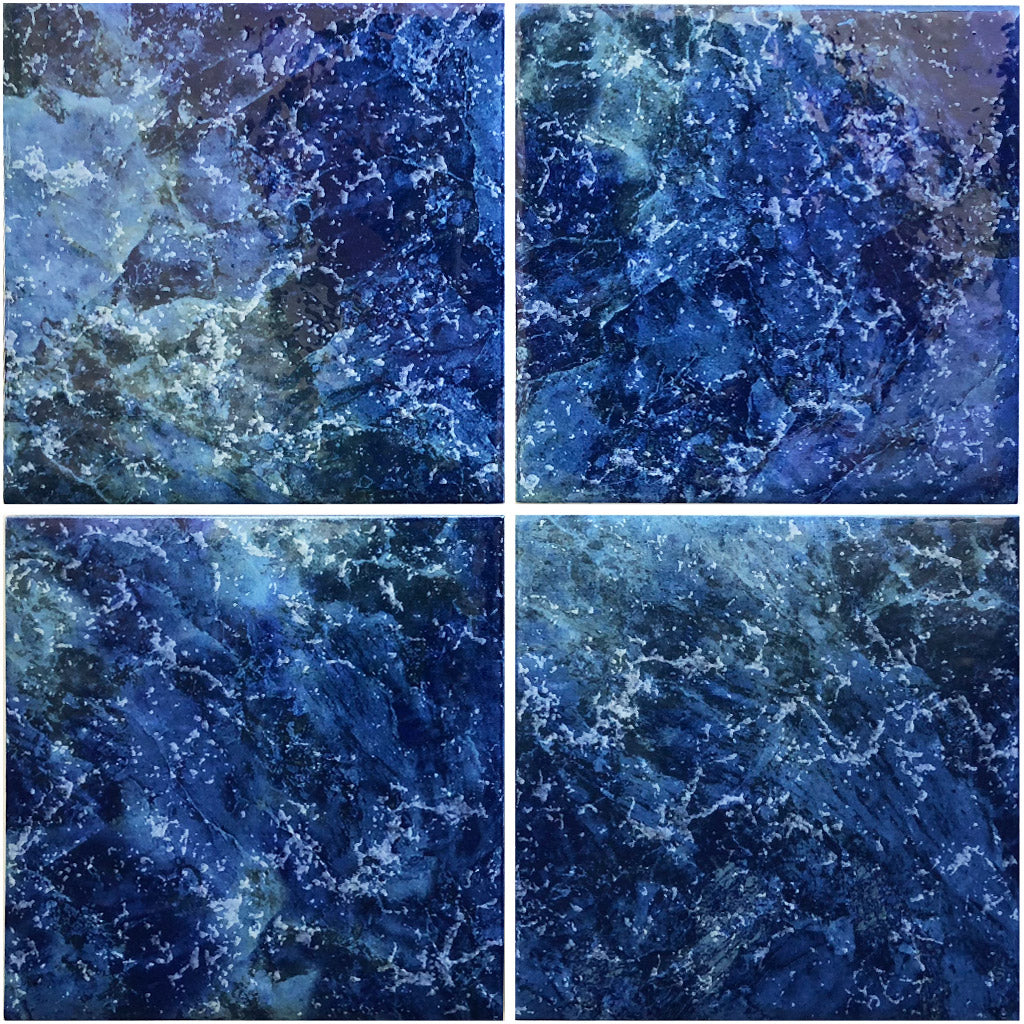

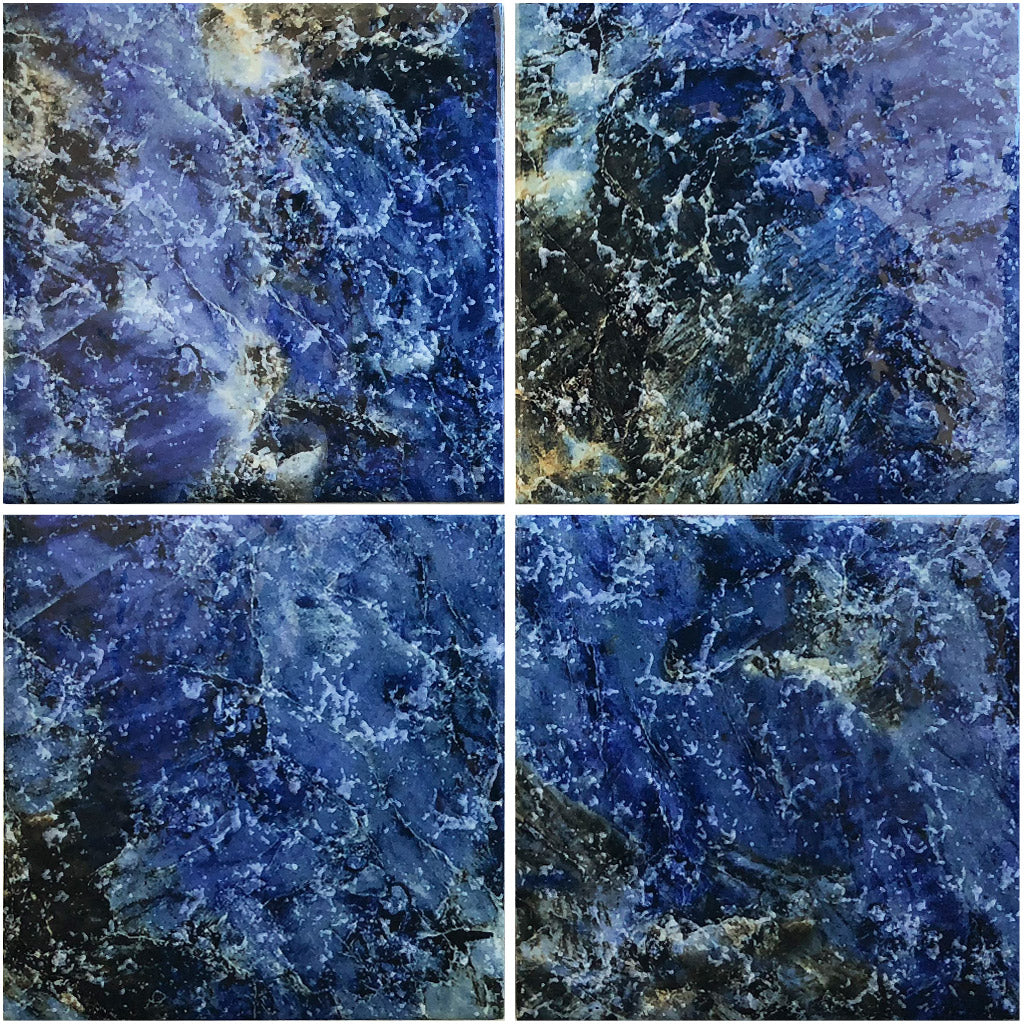

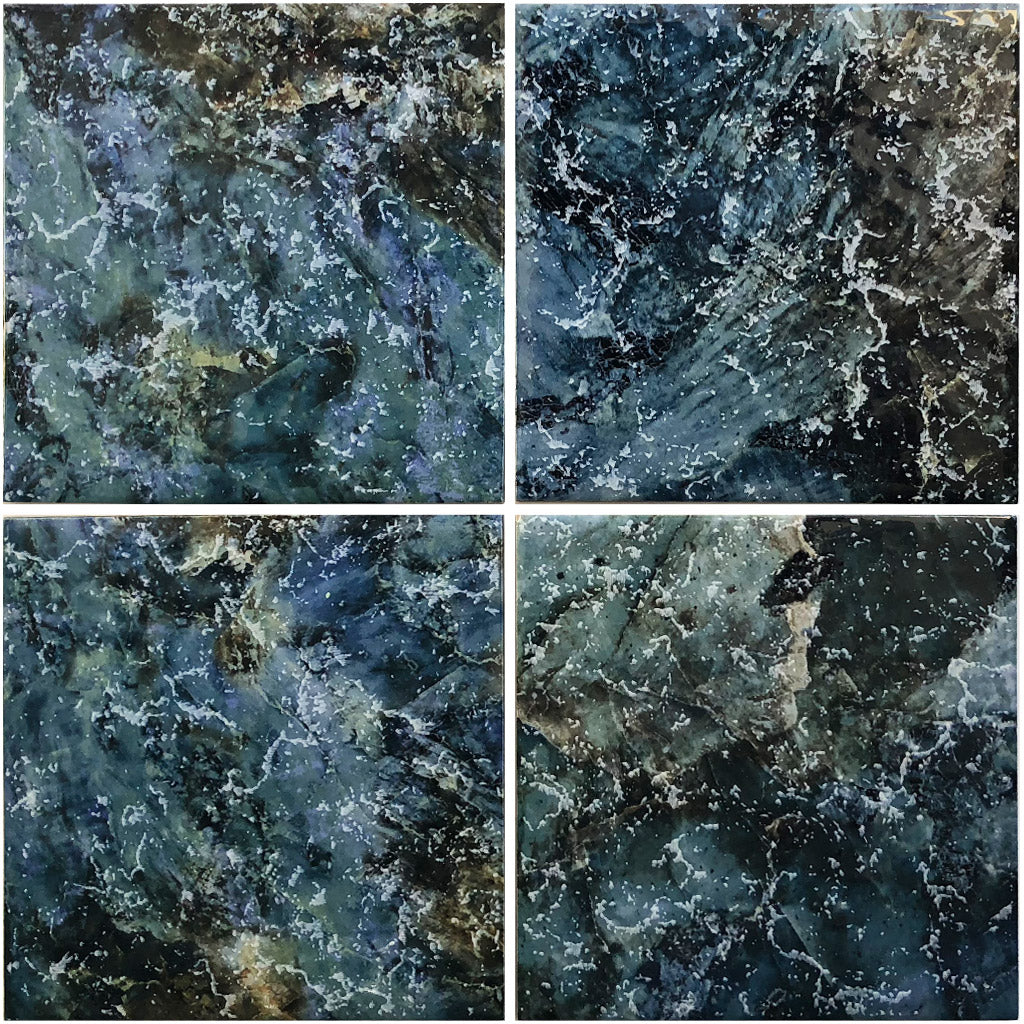

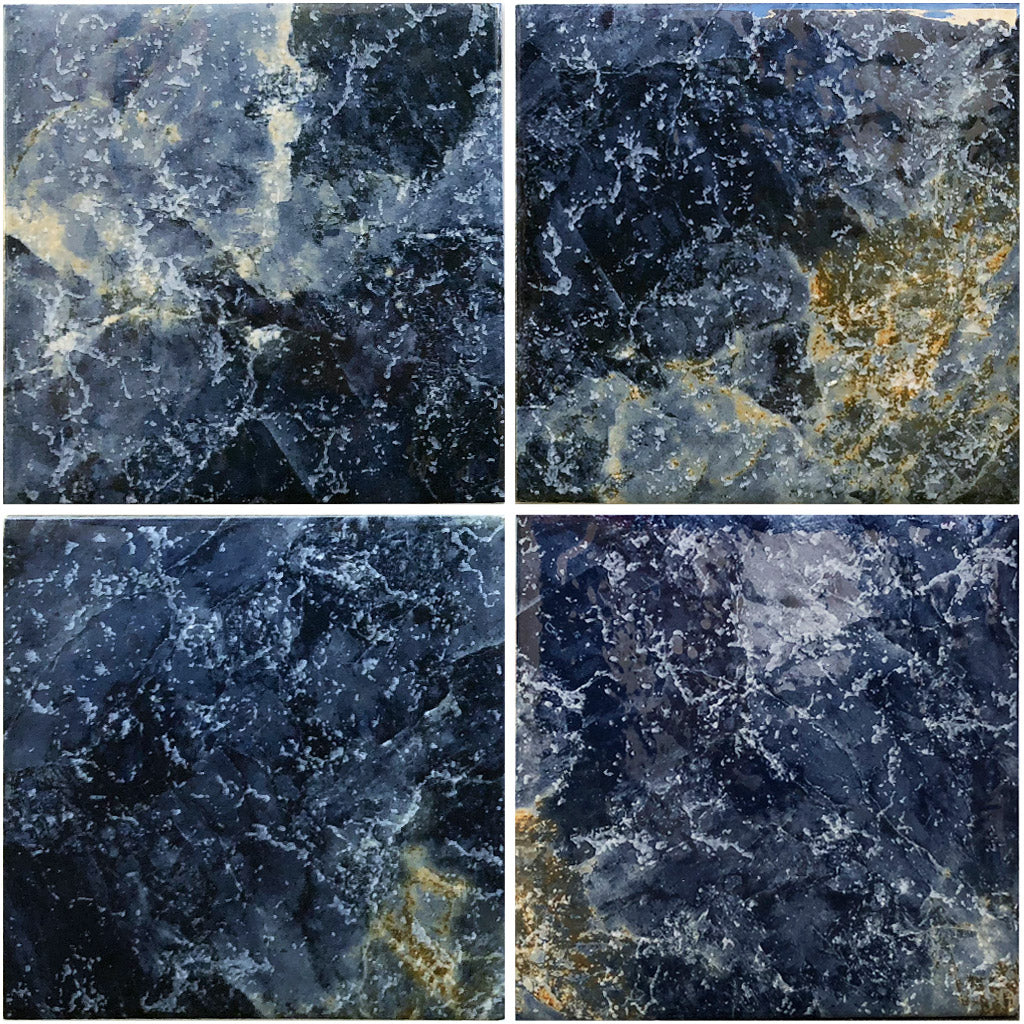

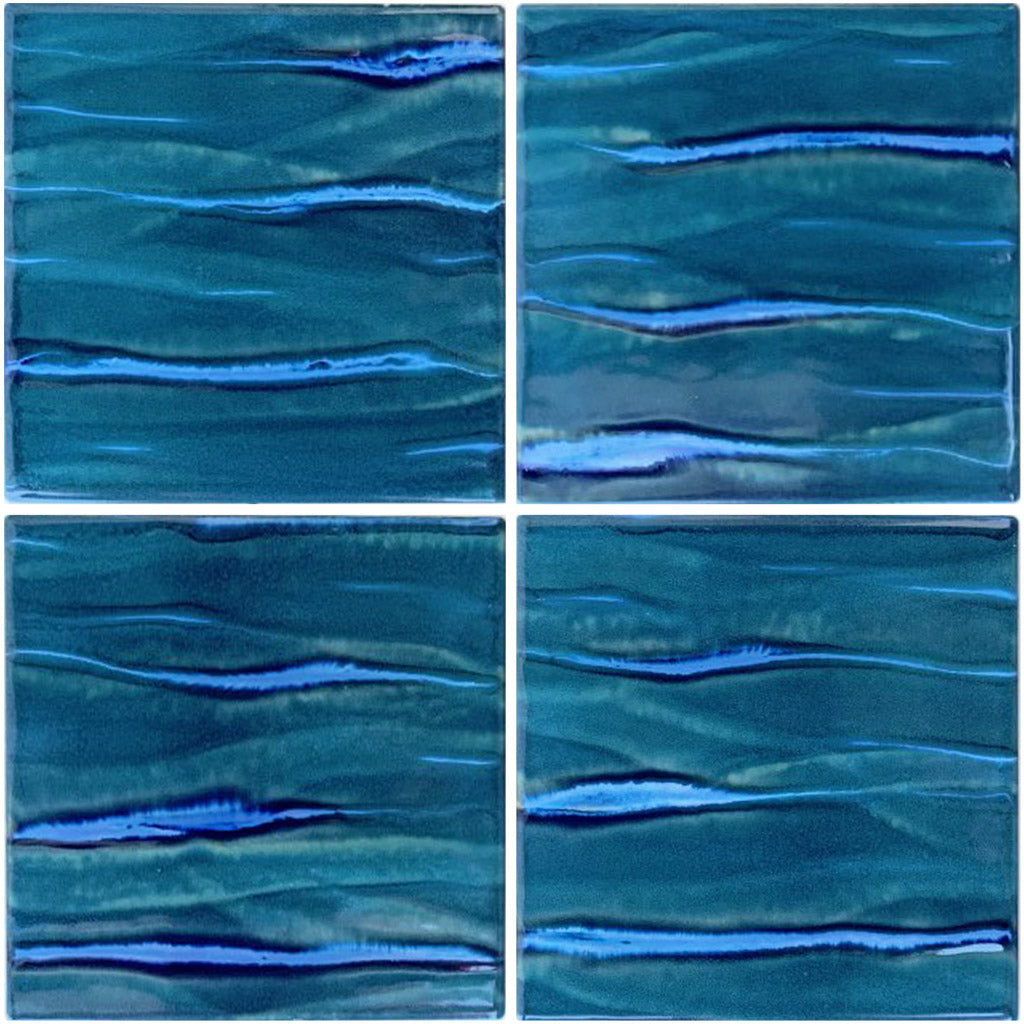

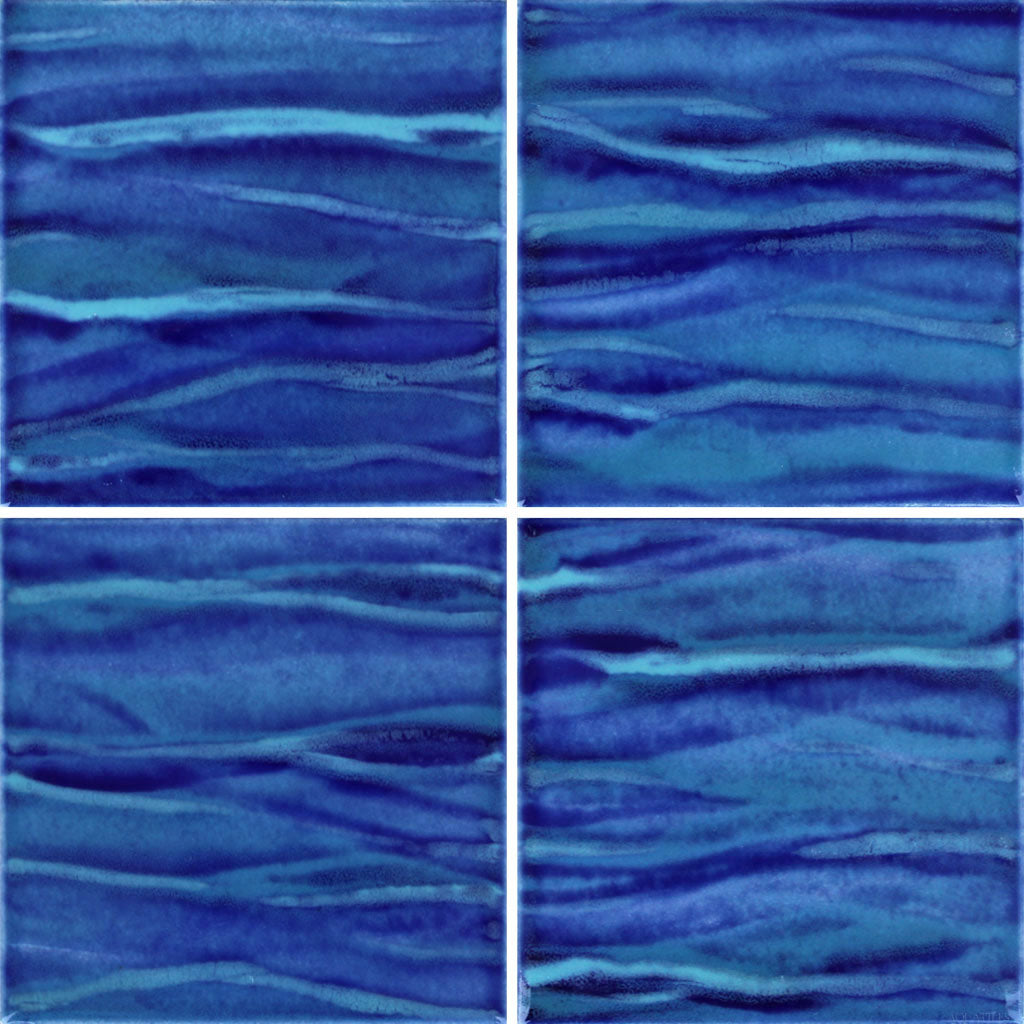
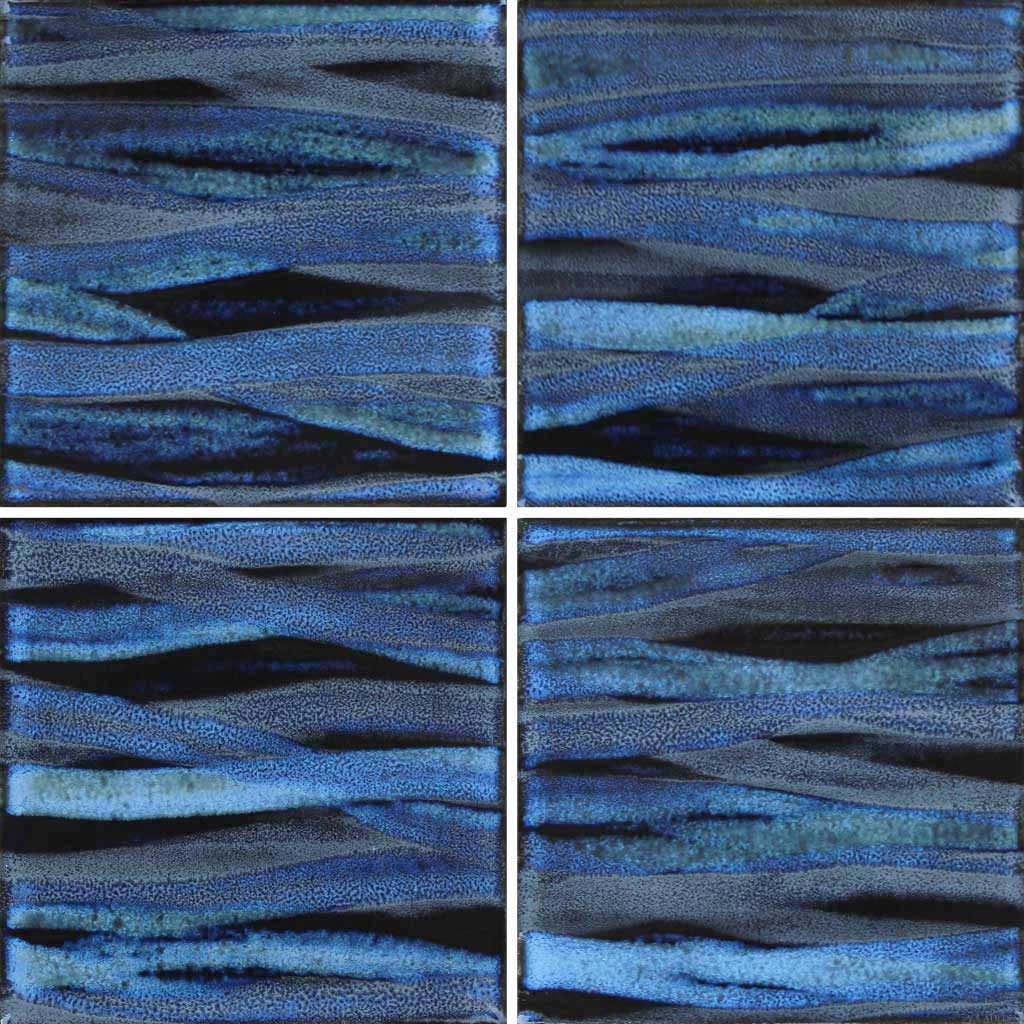
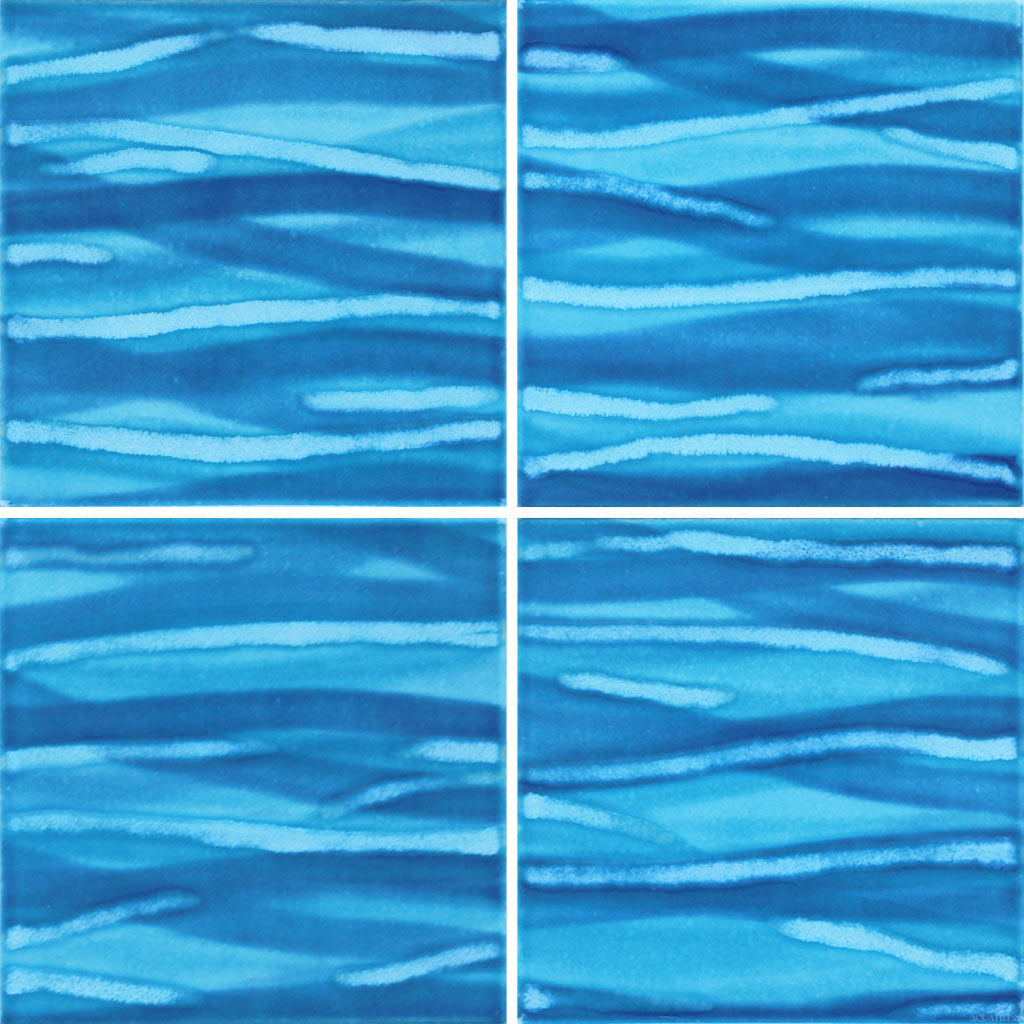


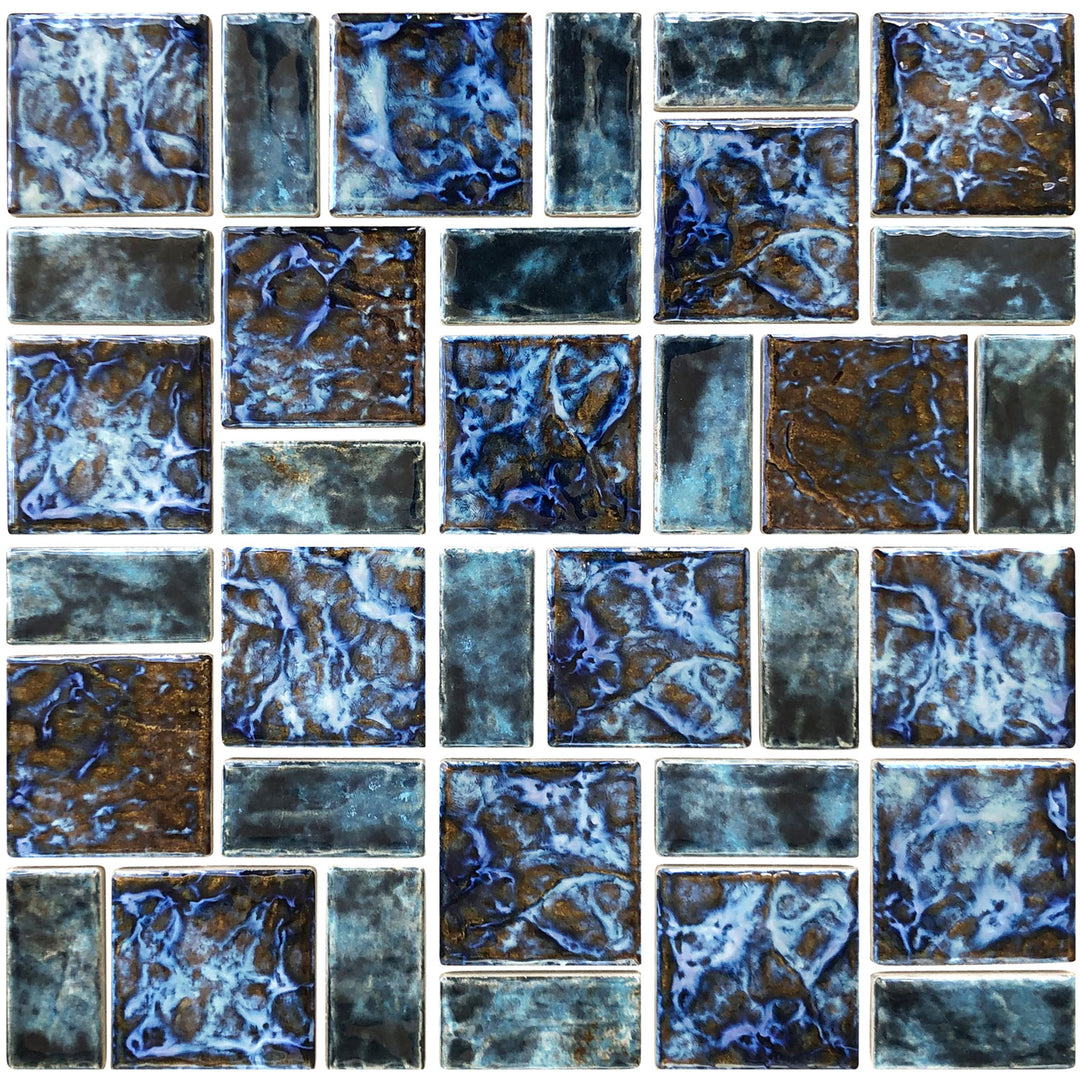

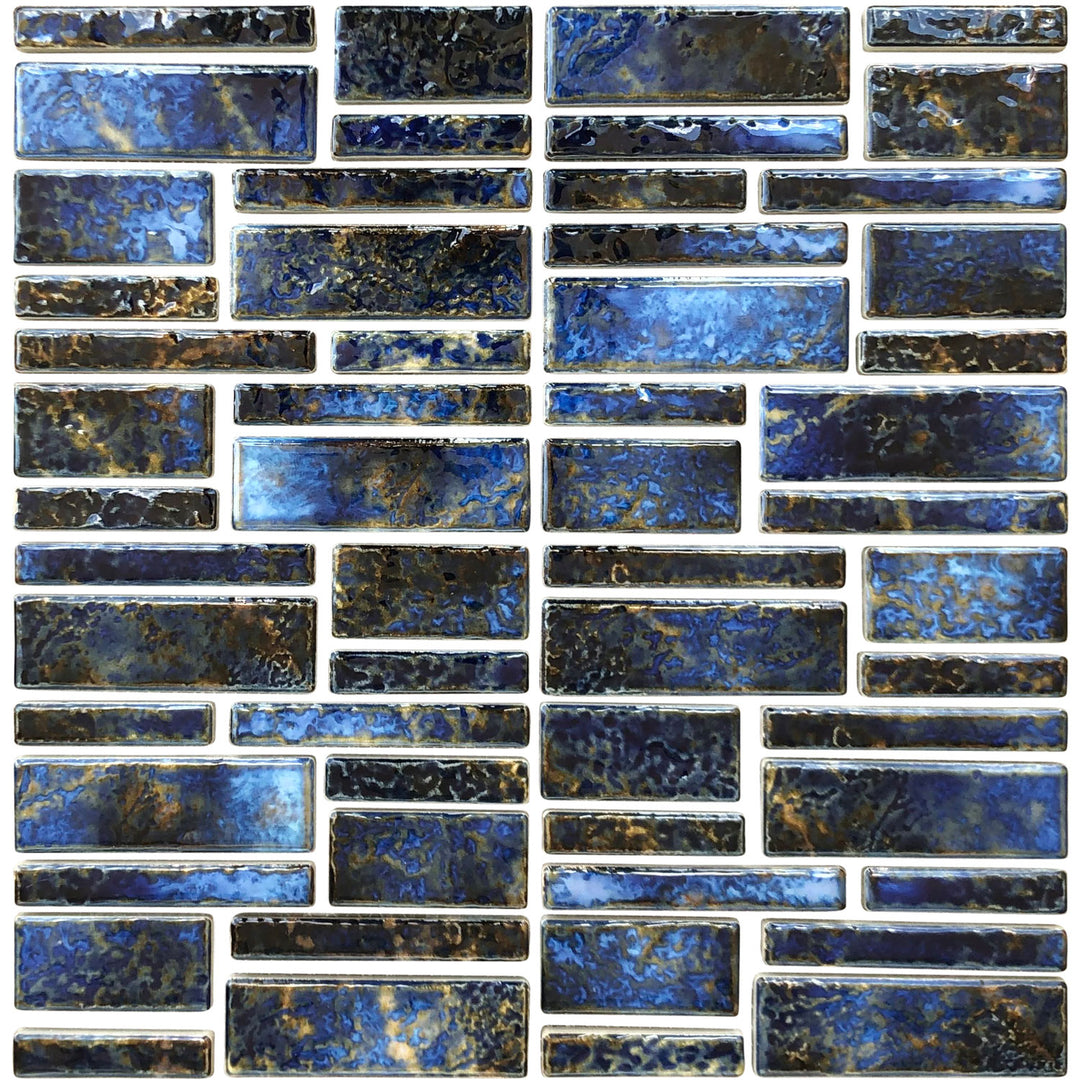

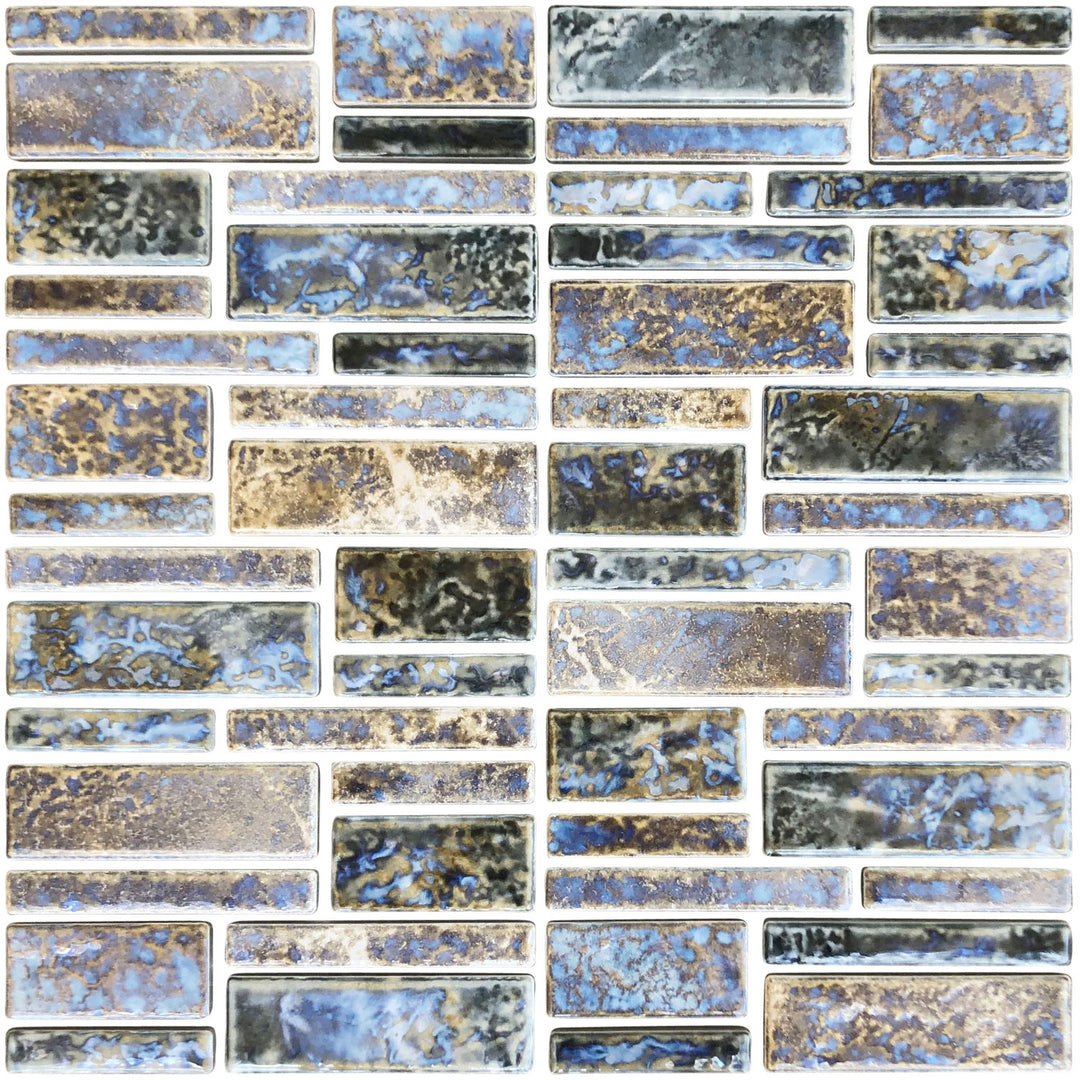


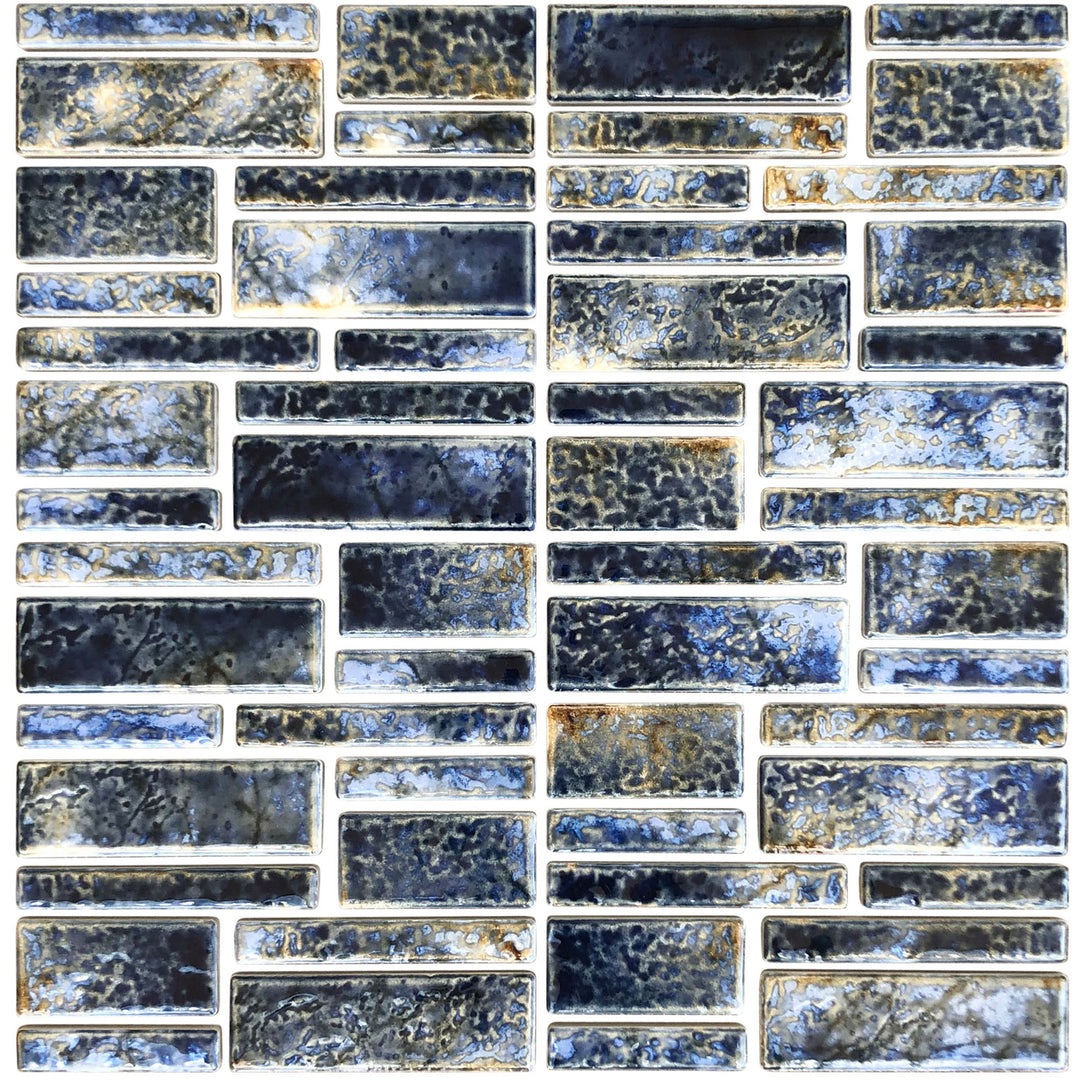




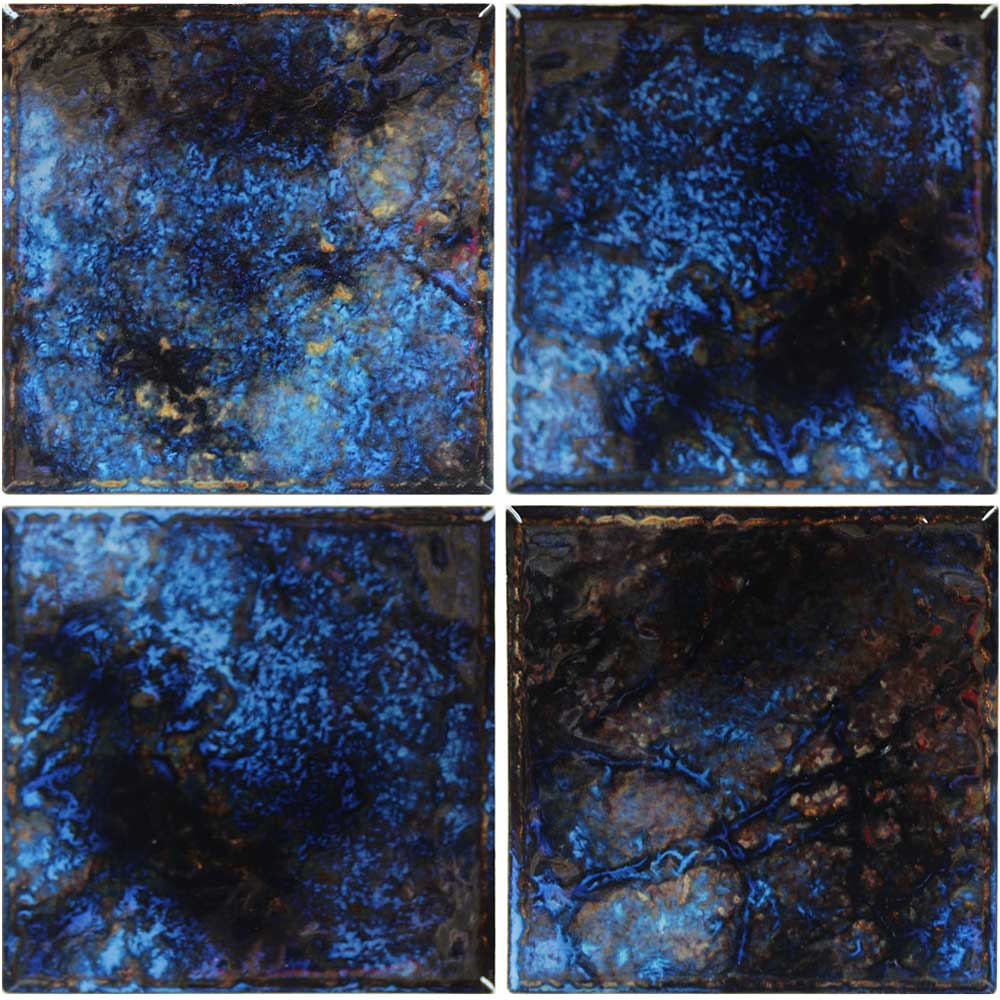


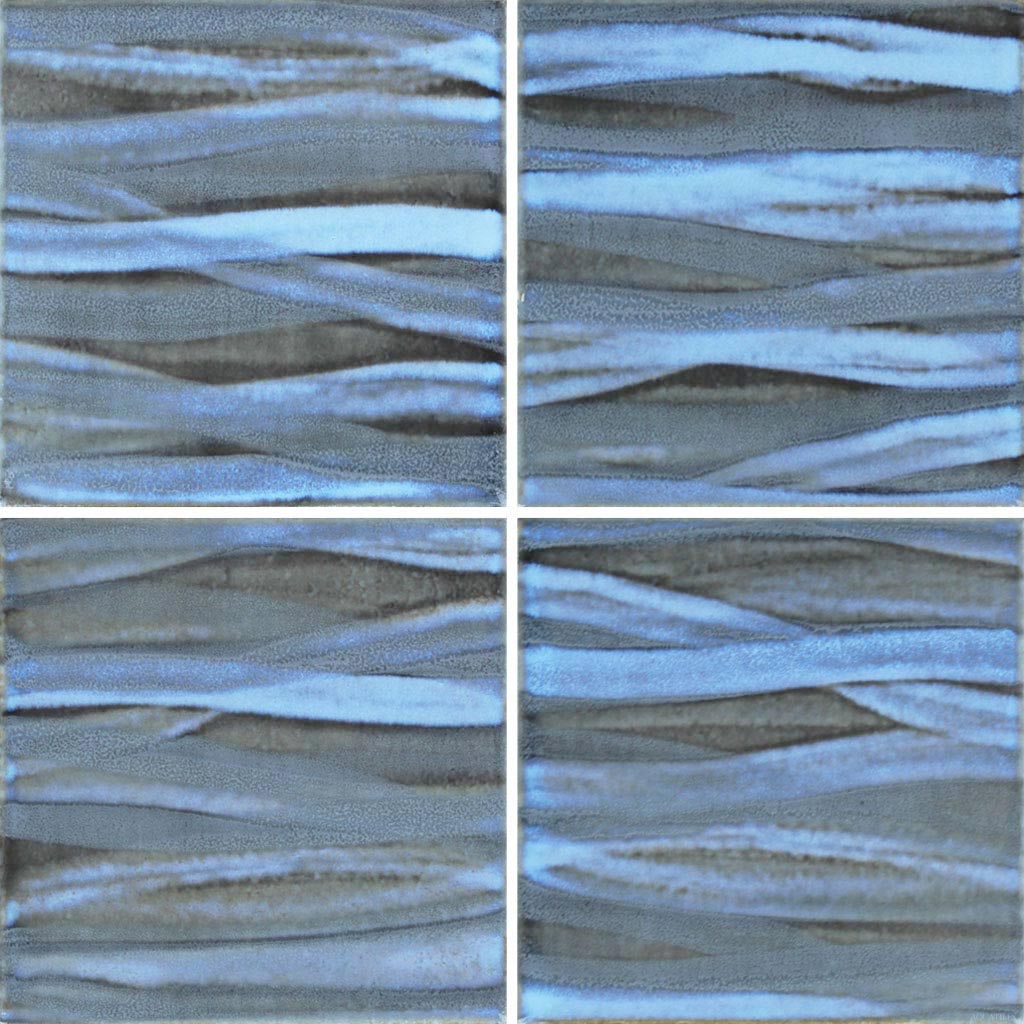
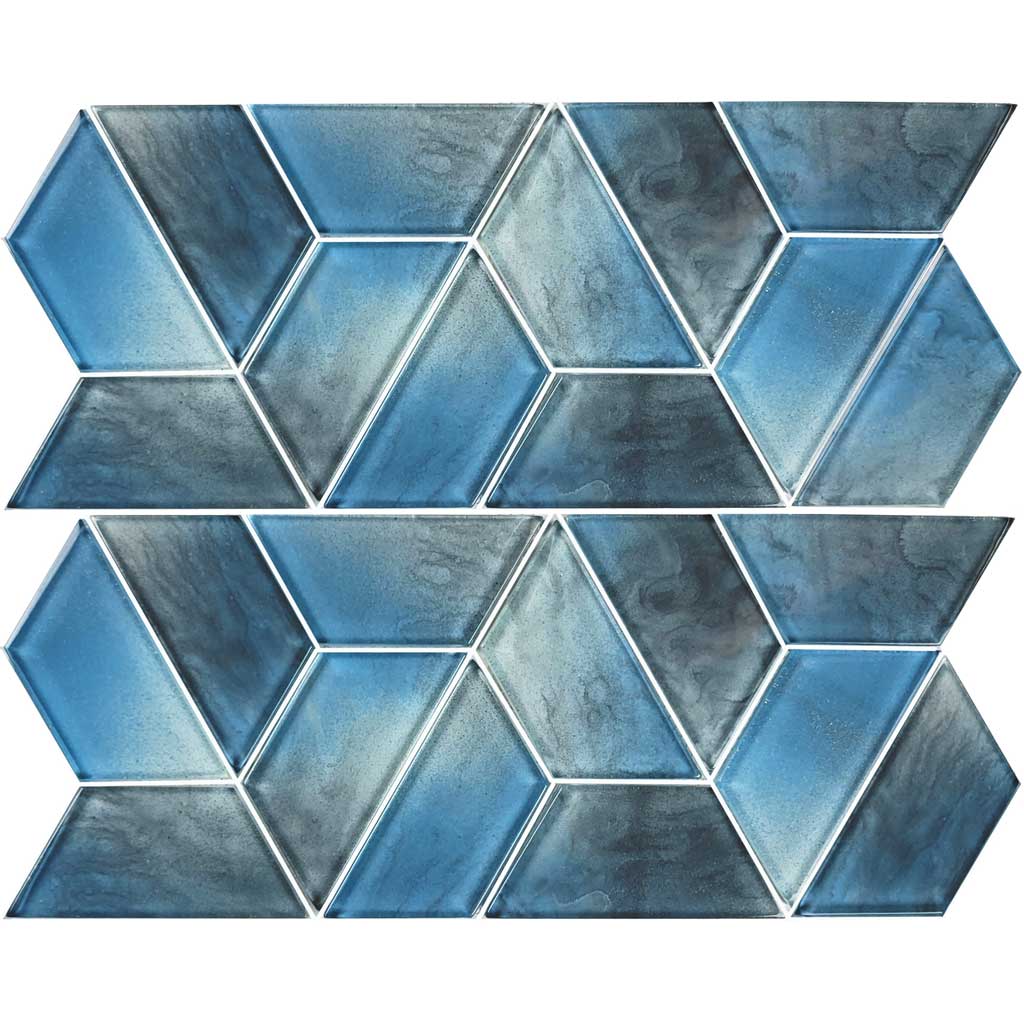





Everything You Need to Know About Pool Waterline Tiles
Waterline tile is a very important part of any well designed swimming pool. It is the band of tile that sits right beneath the pool coping tile and measures 6 inches in height. This tile is placed exactly where the water meets the walls of the pool, and it plays a major role in the overall pool design. It creates a clean and polished appearance around the pool area while also helping protect the surface from stains, dirt, and buildup that naturally occur from daily use.
Most waterline tiles are made from porcelain or glass mosaic materials because these options are reliable and specially manufactured for outdoor and underwater conditions. Although many people are familiar with ceramic tiles, it is essential to know that not all ceramic or pool mosaic tiles are approved for pool use. To understand what makes a tile pool rated, several important factors must be considered. The tile must be frost proof so it can handle very cold temperatures and sudden weather changes. It must also be impervious to water, which means it needs to meet the required standard of less than or equal to zero point five percent absorption. You will often see this written as (≤0.5 percent absorption). This low absorption level helps prevent the tile from taking in water, which protects it from cracking, expanding, or weakening over time.
Pool rated tiles also need to resist the chemicals used to maintain clean and balanced pool water. These chemicals can be strong, and only tiles that are manufactured for pool environments can withstand long term exposure without fading, staining, or losing their finish. Slip resistant surfaces are also important in areas where the tile may be exposed above the waterline or used on steps and benches. When you explore tile offers on our site, every porcelain tile, glass pool tile, and natural stone tile labeled for pool use meets these strict requirements.
There are many options available for homeowners and designers. Smaller pool mosaic tiles are a popular choice because they add texture and color variation. They come in many shapes such as squares, rectangles, penny rounds, and hexagons. Glass mosaic tiles are often selected for their vibrant color and the way they reflect light, making the water appear brighter and more inviting. Natural stone tiles offer an earthy and organic look that blends beautifully with outdoor landscapes. Subway tiles continue to grow in popularity for a clean and modern pool design, and classic 6 by 6 pool tiles remain a favorite among contractors due to their simple installation and timeless appearance.
Understanding how waterline tile is installed is also helpful. A proper installation requires high quality setting materials such as tile adhesive and grout that are specifically made for submerged and outdoor conditions. The surface must be prepared correctly to ensure a strong bond that will last for many years. Choosing the right grout color can also enhance the final look of the pool area.
If you need help selecting the right size, style, material, or grout color, our team is ready to assist you at 904-201-9418.
Frequently Asked Questions
We have seen many companies get this wrong, so here is the correct answer: Waterline tiles do not affect the color of pool water. The tiles around the pool are not significant enough to impact the water's color. What actually affects the water color are the pool's surface materials, like plaster, pebble, and aggregates.
The tile around your pool is not just a decorative finishing touch, it also helps protect the pool from waterline staining, calcium deposits and mineral buildup. It’s much easier to remove these from the pool tile than to scrub them from the plaster.
This could be confusing because while pool tile companies sell tiles by the square foot, the pool is measured by the linear foot. To convert from linear feet to square feet, divide the perimeter of your pool by 2. This will give you the total square footage needed. So, Perimeter of the pool divided by 2 equals total square footage.
Porcelain and glass tiles are both excellent options; they are durable, resistant to chemicals, and can withstand drastic temperature changes. With proper care and maintenance, both can last decades.
As mentioned above, the standard height for waterline tile is 6 inches. All of our tiles, regardless of size or shape, can be easily cut in half to achieve this height.

Shop Pool Mosaics
